
Building Inclusion into Systems. Turning Intention into Infrastructure.
Inclusion does not become sustainable by intention alone. It requires deliberate structural design.
The Structural Problem

Most organisations are not short on commitment. What they are often short on is structure.
Inclusion work can become fragmented, reactive or overly dependent on individual champions. It may sit as a project rather than operate as part of the organisation’s core design.
When inclusion is not built into the architecture of the organisation, it struggles to hold.
The Architectural Solution
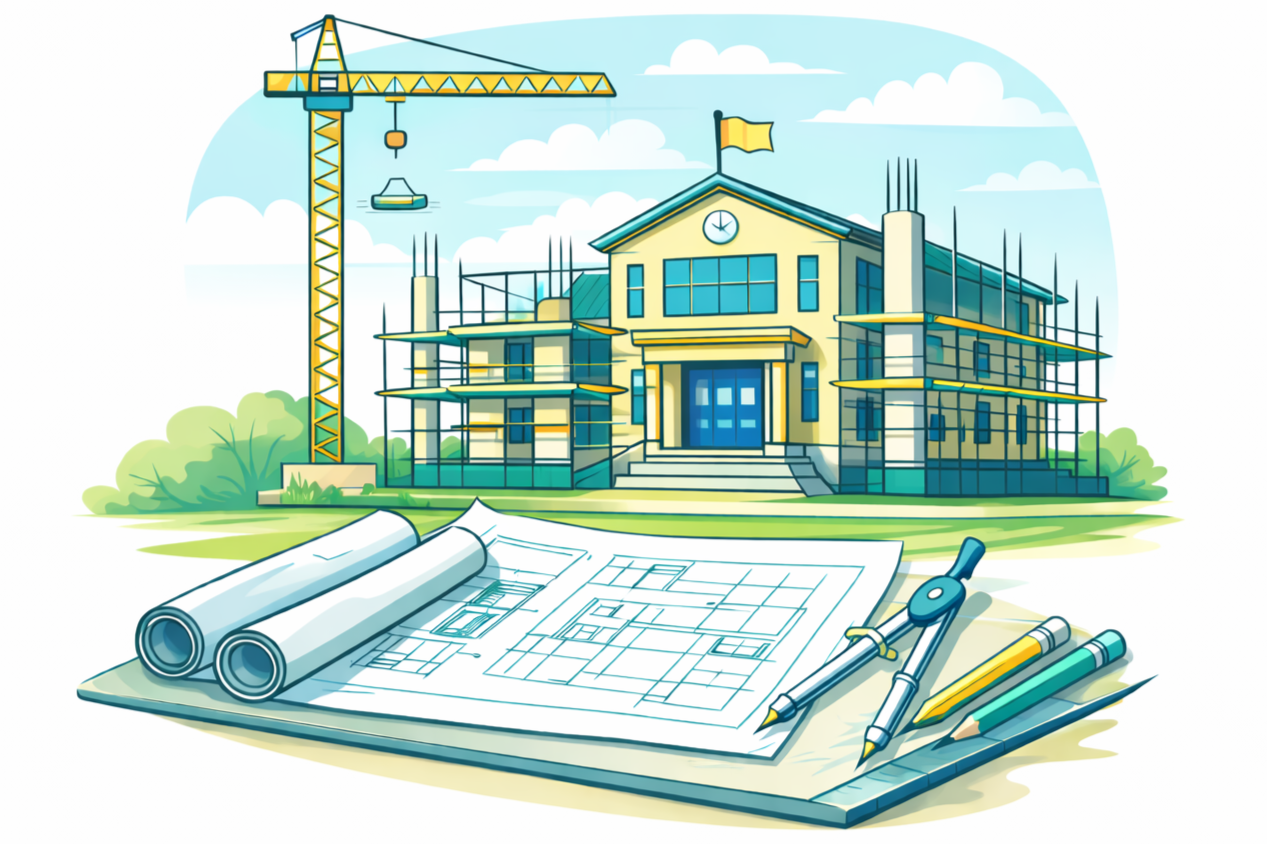
Inclusion Architecture provides a structured methodology that helps leaders take a systemic view of inclusion from a race and religion/belief lens.
Through a process of audit, strategy development and ongoing review, leaders are supported to understand current practice, implement meaningful change and sustain progress over time.
It transforms inclusion from something that feels abstract or overwhelming into a guided, step-by-step structural process.
Not a bolt-on initiative.
A designed system.
What This Means in Practice
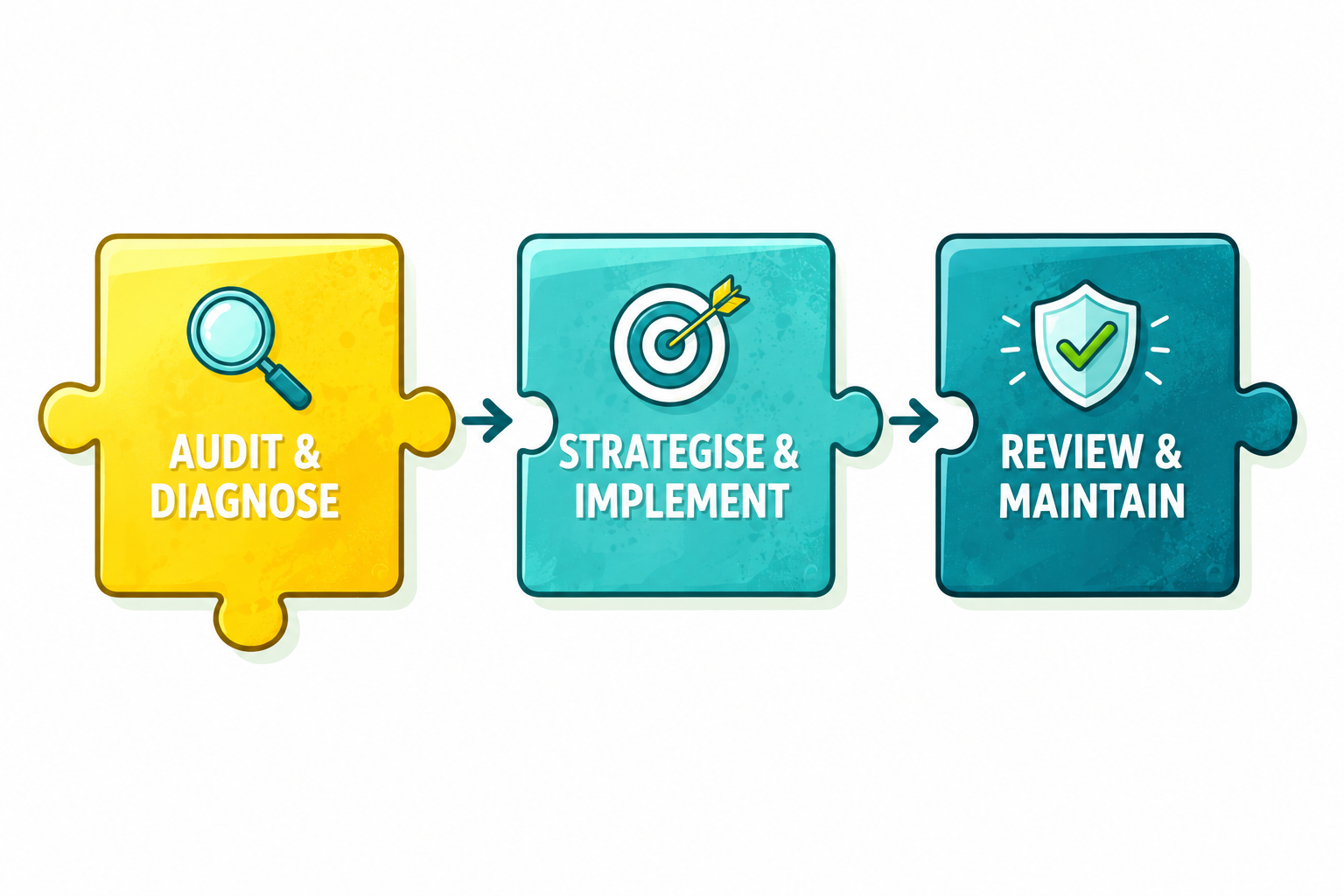
Through structured consultancy, organisations are supported to:
Audit & Diagnose: Review inclusion across core systems
Strategise & Implement: Identify priorities and drive meaningful change
Review & Maintain: Sustain progress over the long-term
Inclusion becomes planned.
Sequenced.
Sustainable.